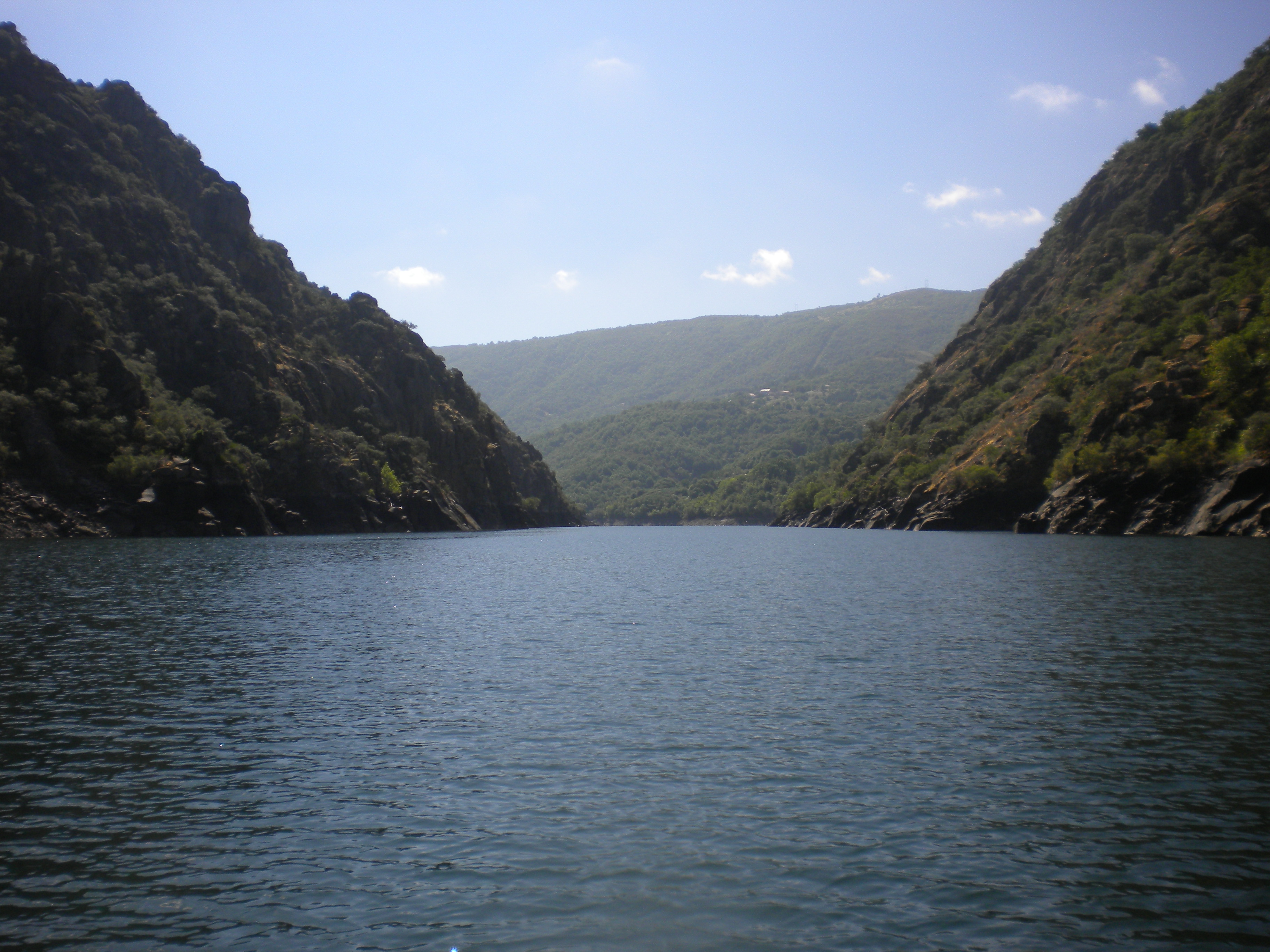
The Camino de Invierno (Winter Way) follows the route medieval pilgrims took when snow blocked the high mountain passes at O Cebreiro. From the Templar city of Ponferrada, this path descends through the Sil River valley, passing Roman gold mines and terraced vineyards before climbing through the Ribeira Sacra to Santiago.
📜 History & Significance
When winter snows made the final mountain stages of the Camino Francés impassable at Foncebadón and O Cebreiro, pilgrims diverted south from Ponferrada along this lower-elevation route. Following the Sil and Miño river valleys, the path avoided dangerous alpine conditions while offering its own austere beauty.
The route traverses the ancient gold-mining landscape of Las Médulas and the monastic heartland of the Ribeira Sacra, where Romanesque churches dot the dramatic river canyons. It is the only Camino to pass through all four Galician provinces.
🥾 Route Overview
The route covers 263 km in 10 stages from Ponferrada to Santiago de Compostela. Most stages average 20-25 km, with several approaching 30 km. From Ponferrada, pilgrims descend through the Bierzo region, pass the UNESCO site of Las Médulas, and follow the Sil River through the Valdeorras wine country.
Beyond Quiroga, the route enters the Ribeira Sacra with its steep vineyard terraces and scattered Romanesque churches, before crossing the Miño River at Chantada and climbing toward Santiago. Despite its name, the route is walkable year-round—spring and autumn offer spectacular vineyard colors.
☩ Key Pilgrimage Sites
Ponferrada Castle - One of Spain's most spectacular preserved Templar fortresses, marking the route's departure from the Camino Francés.
Las Médulas - UNESCO World Heritage Site and the largest gold mine of the Roman Empire, with distinctive red-earth formations created by hydraulic mining.
Monforte de Lemos - Home to the 12th-century Benedictine Monastery of San Vicente O Pino on its hilltop, the spiritual heart of the Ribeira Sacra.
Ribeira Sacra Churches - Dozens of small Romanesque churches hidden in the Sil and Miño river canyons, remnants of a once-thriving monastic region.
📚 Further Reading
Curated resources to help you research and plan your pilgrimage on the Camino de Invierno.
