Pilgrimage Sites in Spain
Discover 27 sacred destinations in Spain
Spain holds a singular place in Catholic pilgrimage history. The road to Santiago de Compostela — walked by millions since the 9th century — remains the world's most active living pilgrimage route, drawing pilgrims from every continent across a network of Camino paths that converge on the tomb of the Apostle James. The next Holy Year falls in 2027, when the Holy Door opens and a plenary indulgence is attached to arrival at the Cathedral.
Beyond the Camino, Spain is a landscape of Marian apparitions, Carmelite mysticism, and Dominican history. Ávila preserves the world of St. Teresa and St. John of the Cross; Montserrat houses the Black Madonna venerated since the 12th century; Zaragoza's Basilica of Our Lady of the Pillar marks the site of a Marian apparition to St. James himself — the first recorded in Christian history. If you are planning the walk, our Camino budget guide and notes on spiritual preparation are good places to start.
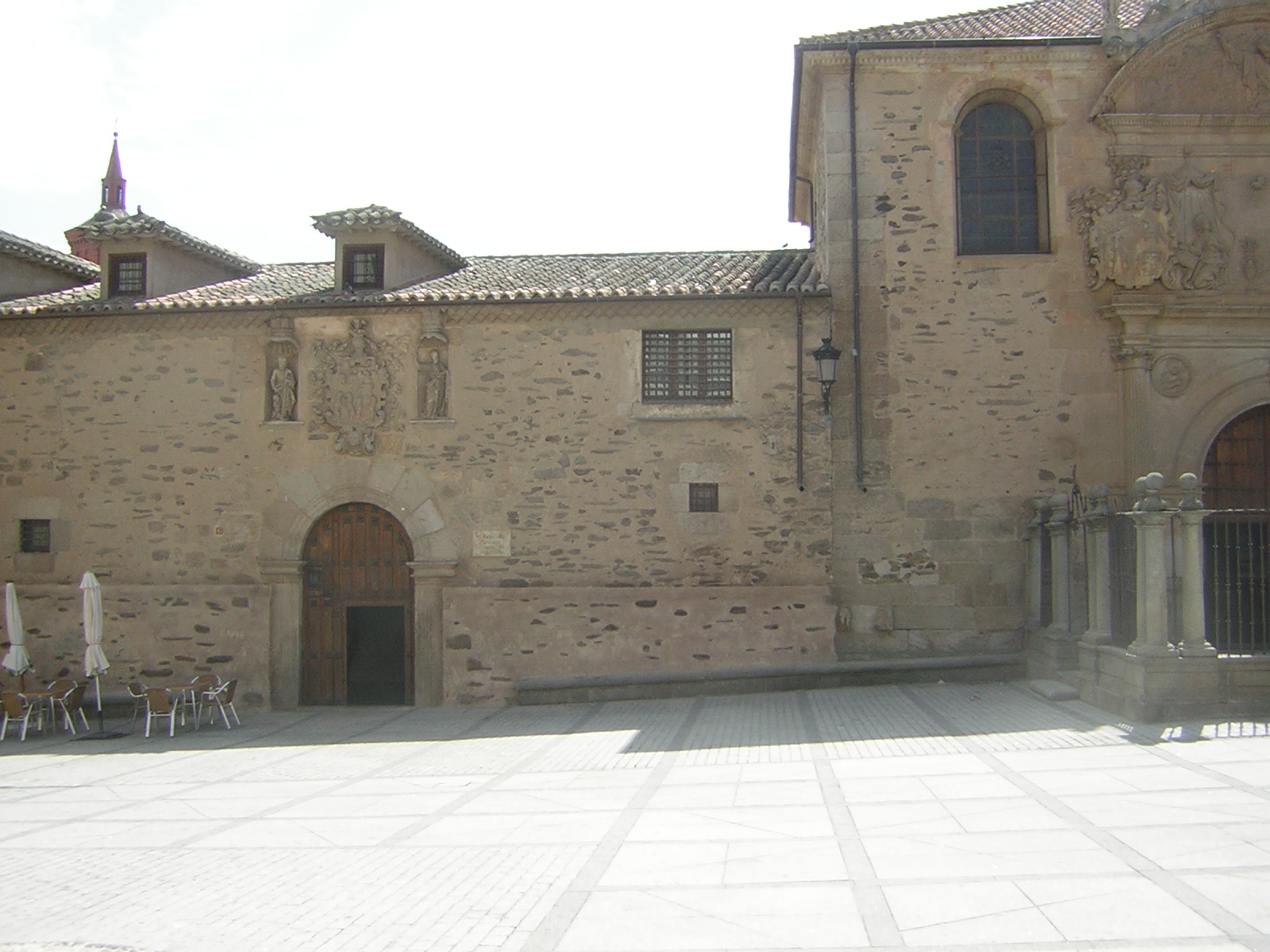
Alba de Tormes
Alba de Tormes is the place where St. Teresa of Ávila died on 4 October 1582, and where her incorrupt body, her left arm, and her heart are venerated in the Convent of the Annunciation, the Carmelite monastery she founded in 1571.

Avila
Ávila is the birthplace of St. Teresa of Ávila, renowned Doctor of the Church, and home to her relics and numerous sites associated with her mystical life.

Barcelona
Barcelona offers Catholic pilgrims extraordinary spiritual heritage with Gaudí's masterpiece Sagrada Família and ancient Gothic churches in Catalonia's historic heart.

Burgos
A stage town on the Camino Francés whose Gothic cathedral is a UNESCO World Heritage site and holds the tomb of El Cid.

Caceres
A UNESCO World Heritage medieval city where Roman, Moorish, and Christian heritage blend—home to the Co-Cathedral of Santa María and the beloved Virgen de la Montaña.

Caleruega
Birthplace of St. Dominic de Guzmán around 1170, Caleruega preserves the monastery built on his family's house and his baptismal church.

Caravaca de la Cruz
Caravaca de la Cruz is one of only five Holy Cities in the Catholic world, home to the miraculous Vera Cross relic and pilgrimage destination.

Covadonga
Birthplace of the Reconquista where King Pelayo's 722 victory began Spain's 800-year Christian reconquest, now a major Marian sanctuary.

El Rocío
A village of sand around the hermitage of the Blanca Paloma, where the brotherhoods bring their ox-carts at Pentecost.

Guadalupe
Spain's most revered Marian shrine, where the Virgin of Guadalupe has drawn pilgrims since 1340—birthplace of devotion that spread across the Americas.

Javier
Javier is the birthplace of St. Francis Xavier, born in 1506 at his family's castle in Navarre, now a Jesuit basilica and pilgrimage site.

Loyola
Loyola is the birthplace of St. Ignatius of Loyola, founder of the Jesuit Order. The magnificent Baroque sanctuary surrounds his holy birthplace.

Lugo
The Blessed Sacrament is exposed day and night on the high altar of Lugo's cathedral, and Galicia calls the city the City of the Sacrament.

Madrid
Madrid holds the Almudena cathedral and the Basílica de Jesús de Medinaceli, and is a starting point for the Camino de Santiago.

Manresa
Ignatius of Loyola spent eleven months in a cave above the Cardoner here in 1522, drafting the core of the Spiritual Exercises.

Montserrat
Home to the Black Madonna at a thousand-year-old Benedictine abbey where St. Ignatius of Loyola laid down his sword and began his pilgrimage.

Oviedo
Medieval pilgrims said: "He who goes to Santiago and not to the Saviour, visits the servant." Oviedo's Holy Chamber holds Christ's Sudarium.

Padrón
Beneath the high altar of Padrón's parish church lies the pedrón, the Roman stone where tradition says St James's boat was moored.

Pontevedra
On the Portuguese Camino, Pontevedra keeps the shrine of the Pilgrim Virgin and the chapel where Our Lady appeared to Sister Lucia in 1925.

Santiago de Compostela
Santiago de Compostela holds the tomb of the apostle Saint James the Greater, the goal of the Camino since the ninth century.

Santo Toribio de Liébana
One of five places in Catholicism with perpetual indulgences, housing the Lignum Crucis - the largest surviving piece of the True Cross.

Seville
Seville's magnificent Cathedral houses the tomb of Saint Ferdinand III and draws pilgrims during Holy Week processions.

Sobrado dos Monxes
The Cistercian abbey of Santa María at Sobrado lodges walkers on the Camino del Norte in the cloister named for pilgrims.

Toledo
Toledo is the primatial see of Spain, its cathedral the seat of the Primate, and its Corpus Christi procession dates from 1595.
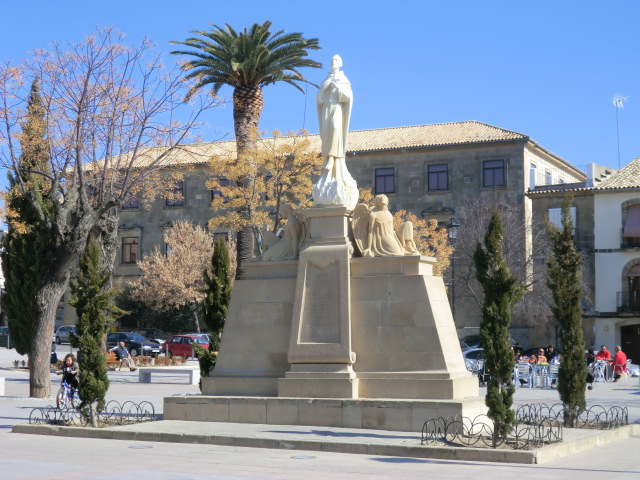
Úbeda
Úbeda's Renaissance old town holds the cell where St. John of the Cross died in 1591, now the first church built worldwide in his honor.

Valladolid
Valladolid's magnificent Cathedral serves as the spiritual heart of this historic Spanish city, housing sacred art and architectural treasures.

Zaragoza
Home to Christianity's first Marian sanctuary, where the Virgin Mary appeared to St. James the Apostle on the banks of the Ebro in AD 40.